• Enhancing Firearm Safety With Shot-Lock

    As gun ownership continues to rise in the United States, the need for responsible firearm storage and safety measures has become increasingly important. One innovative solution that has been gaining traction in recent years is the Shot-Lock, a firearm locking system designed to prevent unauthorized access to guns while still allowing for quick and easy access in case of emergency.
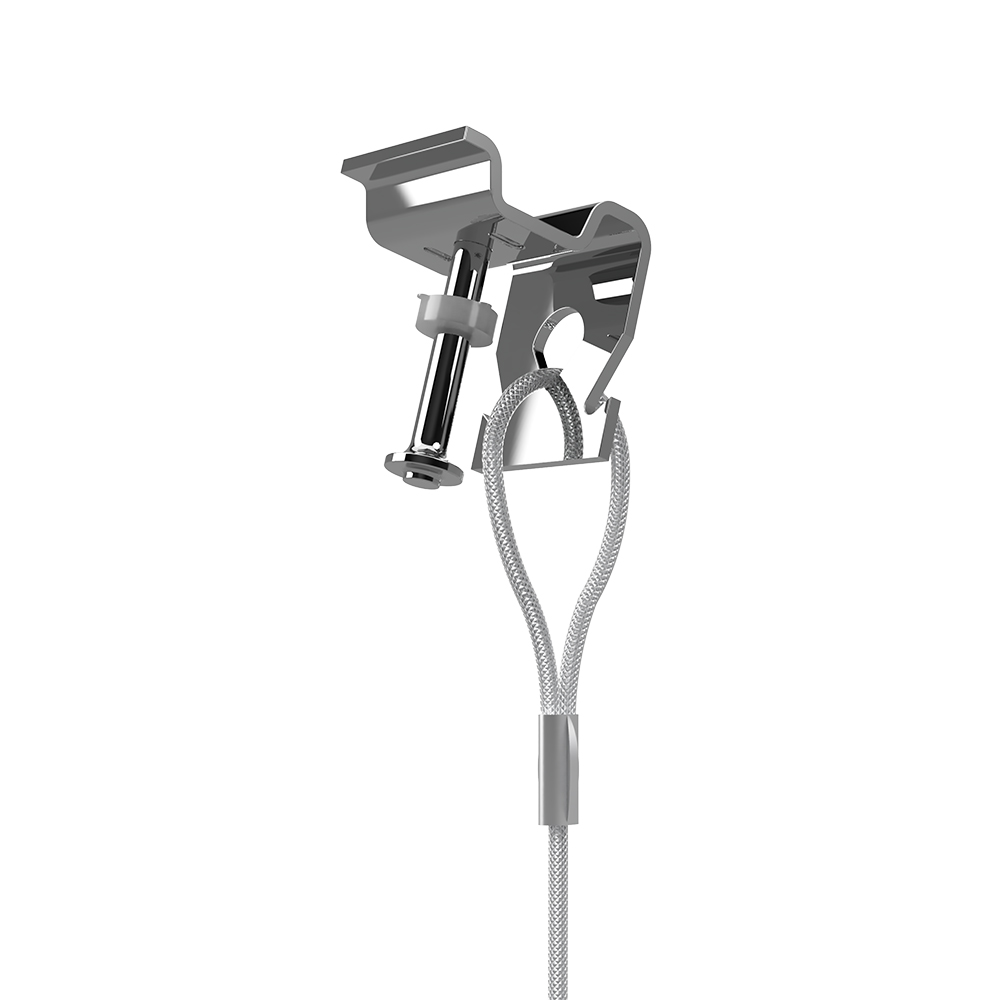
    The Shot-Lock is a versatile and secure gun storage solution that provides gun owners with peace of mind knowing that their firearms are safely secured. Whether you are a gun owner looking to prevent unauthorized access by children or intruders, or simply want to ensure that your firearms are safe from theft, the Shot-Lock is an effective and reliable solution.

    One of the key features of the Shot-Lock is its biometric locking system, which allows authorized users to access their firearms quickly and easily with just the touch of a finger. This feature makes the Shot-Lock an ideal choice for gun owners who need to have their firearms readily accessible in case of an emergency, but also want to ensure that they are securely stored when not in use.

    In addition to its biometric locking system, the Shot-Lock also features a tamper-proof design that prevents unauthorized access to the firearm. This feature is crucial for gun owners who want to ensure that their firearms are not easily stolen or accessed by unauthorized individuals.

    Another important feature of the Shot-Lock is its compatibility with a wide range of firearms, including pistols, rifles, and shotguns. This makes it a versatile and cost-effective solution for gun owners who own multiple types of firearms and want to ensure that all of them are securely stored.

    The Shot-Lock is also easy to install and can be mounted in a variety of locations, including on walls, under desks, or in vehicles. This makes it a convenient and flexible option for gun owners who want to ensure that their firearms are always securely stored, no matter where they are.

    Overall, the Shot-Lock is a reliable and effective gun storage solution that provides gun owners with the peace of mind knowing that their firearms are securely stored and protected from unauthorized access. Whether you are looking to prevent accidents, theft, or unauthorized use of your firearms, the Shot-Lock is an ideal choice for enhancing firearm safety in your home.

    In addition to its practical benefits, the Shot-Lock also has the potential to help reduce gun-related accidents and deaths by ensuring that firearms are securely stored and not accessible to unauthorized individuals. This is especially important in households with children, where safe firearm storage is crucial to prevent tragic accidents.

    By investing in a Shot-Lock for your firearms, you can take an important step towards ensuring the safety of your loved ones and the security of your firearms. With its innovative design, versatile compatibility, and easy installation, the Shot-Lock is a practical and effective solution for gun owners looking to enhance firearm safety in their homes.

    In conclusion, the Shot-Lock is a valuable tool for gun owners who want to ensure that their firearms are securely stored and protected from unauthorized access. With its biometric locking system, tamper-proof design, and versatile compatibility, the Shot-Lock provides a practical and effective solution for enhancing firearm safety in the home. Whether you are a gun owner looking to prevent accidents, theft, or unauthorized use of your firearms, the Shot-Lock is a reliable and convenient option that can provide you with peace of mind knowing that your firearms are securely stored and protected.

  • Ultimate Guide To Honda Inverter Generator For Reliable Power Supply

    When it comes to reliable power supply for your outdoor activities, camping trips, or emergency situations, the honda inverter generator is a top choice for many consumers. Known for its durability, fuel efficiency, and quiet operation, Honda generators have become a popular option for those seeking a portable power source.

    The honda inverter generator is designed to provide clean and stable power for sensitive electronic devices such as laptops, smartphones, and televisions, making it an ideal choice for outdoor enthusiasts who need to stay connected while off the grid. The inverter technology used in Honda generators enables them to produce power that is as clean as the electricity from your household outlets, ensuring that your devices are protected from power surges and fluctuations.

    One of the key features of the honda inverter generator is its fuel efficiency. Honda engines are known for their reliability and fuel efficiency, and the inverter generators are no exception. With advanced technology such as Eco-Throttle, Honda generators automatically adjust the engine speed to match the power load, resulting in lower fuel consumption and longer running times. This is especially important for outdoor activities where access to fuel may be limited, allowing you to enjoy extended hours of power without the need for frequent refueling.

    In addition to fuel efficiency, Honda inverter generators are also praised for their quiet operation. The enclosed design of the generator helps to reduce noise levels, making it an ideal choice for camping trips or outdoor events where peace and quiet are desired. The quiet operation of Honda generators also makes them suitable for use during power outages in residential areas, as they produce minimal noise pollution.

    Another key advantage of the Honda Inverter Generator is its compact and lightweight design. Honda generators are designed with portability in mind, featuring ergonomic handles and wheels for easy transportation. Whether you’re camping in the wilderness or providing backup power for your home during a storm, the compact and lightweight design of Honda generators makes them easy to move and set up wherever you need reliable power.

    When it comes to performance, the Honda Inverter Generator delivers reliable power output to meet your needs. With a wide range of power capacities available, Honda generators can support a variety of devices and appliances, from small electronics to power tools and home appliances. The reliable power output of Honda generators ensures that you can stay connected and powered up no matter where you are or what you need to run.

    In terms of durability, Honda generators are built to last. Constructed with high-quality materials and components, Honda generators are designed to withstand the rigors of outdoor use and provide years of reliable service. Whether you’re braving the elements on a camping trip or relying on backup power during a storm, you can trust that your Honda generator will continue to deliver power when you need it most.

    When it comes to maintenance, Honda generators are also easy to care for. With regular maintenance and proper storage, Honda generators can provide reliable power for many years to come. Routine maintenance tasks such as changing the oil, cleaning the air filter, and inspecting the spark plug are all simple procedures that can help prolong the life of your Honda generator and ensure that it operates at peak performance.

    In conclusion, the Honda Inverter Generator is a reliable and versatile power source for a wide range of applications. Whether you’re planning a camping trip, preparing for a storm, or simply need a portable power supply for your outdoor adventures, the Honda generator is a top choice for consumers who value durability, fuel efficiency, quiet operation, and reliable power output. Trust in Honda to provide the power you need, wherever and whenever you need it.

    So, if you’re in the market for a reliable and efficient power source, consider investing in a Honda Inverter Generator and experience the peace of mind that comes with knowing you have a trusted power supply at your fingertips.

  • Exploring The Benefits Of Car Subscription White Label

    Car subscription services have become increasingly popular in recent years, offering consumers a convenient and flexible alternative to traditional car ownership. One emerging trend within the car subscription industry is the use of white label solutions, where companies can offer subscription services under their own brand using a third-party platform. This allows businesses to enter the car subscription market quickly and easily, without the need to build their own infrastructure.

    One of the main benefits of car subscription white label programs is the ability for businesses to quickly launch their own branded subscription service without the need for a significant investment in technology and infrastructure. By partnering with a white label provider, companies can leverage their existing platform and expertise to offer a seamless and fully integrated car subscription experience to their customers. This can help businesses to differentiate themselves in a crowded market and attract new customers looking for a convenient and hassle-free car ownership solution.

    Another key advantage of car subscription white label programs is the ability for companies to offer a more personalized and tailored experience to their customers. By using a white label platform, businesses can customize their subscription offering to meet the specific needs and preferences of their target audience. This can include offering different vehicle options, subscription durations, and pricing plans to cater to a wide range of customer requirements. By providing a more personalized experience, companies can attract and retain more customers, ultimately driving growth and profitability.

    In addition to offering a more personalized experience, car subscription white label programs also provide businesses with access to a wider range of vehicles and services than they would be able to offer on their own. White label providers often have partnerships with multiple automotive brands and dealerships, allowing companies to offer a diverse selection of vehicles to their customers. This can include everything from economy cars and SUVs to luxury and electric vehicles, giving customers more choice and flexibility when selecting a subscription package. Furthermore, white label providers may also offer additional services such as maintenance, roadside assistance, and insurance, further enhancing the value proposition for customers.

    One of the main reasons why businesses are turning to car subscription white label programs is the potential to generate additional revenue streams and increase customer loyalty. By offering a flexible and convenient car subscription service, companies can attract new customers who may not have considered traditional car ownership. This can help to expand the customer base and drive revenue growth over time. Furthermore, by providing a seamless and hassle-free experience, businesses can increase customer satisfaction and loyalty, leading to higher retention rates and a more profitable customer base.

    One of the key considerations for businesses looking to launch a car subscription white label program is the choice of a reliable and experienced white label provider. It is important to partner with a provider that has a proven track record of success in the car subscription industry and a strong reputation for delivering high-quality service. This will help to ensure that businesses can launch their subscription service quickly and efficiently, without encountering any technical or operational issues along the way.

    In conclusion, car subscription white label programs offer a range of benefits for businesses looking to enter the car subscription market. From enabling companies to quickly launch their own branded subscription service to providing a more personalized experience for customers, white label solutions can help businesses to differentiate themselves and attract new customers. By partnering with a reputable white label provider, companies can access a wider range of vehicles and services, generate additional revenue streams, and increase customer loyalty. As the car subscription industry continues to grow, white label programs will become an increasingly popular choice for businesses looking to capitalize on this emerging trend.

  • The Impact Of Business Rates On Empty Properties

    business rates on empty properties, also known as vacant property rates, can be a significant financial burden for property owners and businesses alike. In many jurisdictions, owners of empty commercial properties are required to pay business rates, even if the property is not generating any income. This policy has sparked debate among property owners, business groups, and local governments, as some argue that it discourages investment and development while others view it as a necessary source of revenue for local councils.

    Business rates are a form of local taxation that is levied on non-domestic properties, including shops, offices, warehouses, and factories. The rates are based on the rateable value of the property, which is determined by the Valuation Office Agency (VOA) in the UK and similar government agencies in other countries. The rateable value reflects the annual rental value of the property as of a certain date, and business rates are calculated as a percentage of this value.

    Historically, many jurisdictions exempted empty properties from business rates in an effort to encourage development and investment, as empty properties can be seen as a blight on the local community. However, in recent years, there has been a trend towards eliminating these exemptions and requiring owners of empty properties to pay business rates. In the UK, for example, empty commercial properties are subject to business rates at a rate of 100% after a grace period of three months (six months for industrial properties).

    The rationale behind charging business rates on empty properties is twofold. Firstly, it is seen as a way to discourage property owners from holding onto vacant properties for speculative purposes, as paying business rates can be a significant financial burden. By imposing this cost, local governments hope to incentivize property owners to either sell, lease, or develop their properties, thereby bringing them back into productive use. Secondly, business rates on empty properties provide a source of revenue for local councils, which can help fund essential services and infrastructure projects.

    Despite these arguments, many property owners and business groups have raised concerns about the impact of business rates on empty properties. One common complaint is that the policy penalizes property owners for circumstances beyond their control, such as a downturn in the local economy or difficulty finding tenants. In some cases, property owners may actively be seeking to redevelop or refurbish a property but are unable to do so due to financial constraints or planning restrictions. Charging business rates on empty properties can exacerbate these challenges and make it even harder for owners to bring their properties back into use.

    Moreover, some argue that business rates on empty properties can deter investment and development, particularly in areas where property values are already depressed. Property owners may be reluctant to invest in vacant properties if they know they will be hit with significant business rates, which can make it more difficult to attract tenants or buyers. This can create a vicious cycle where empty properties remain vacant, leading to further blight and decline in the local area.

    In response to these concerns, some jurisdictions have introduced measures to mitigate the impact of business rates on empty properties. For example, in the UK, the government has introduced a temporary relief scheme that provides a 50% discount on business rates for newly built commercial properties that have been empty for at least three months. This is intended to incentivize property owners to bring vacant properties back into use and help stimulate investment and development.

    In conclusion, business rates on empty properties can be a contentious issue that raises important questions about the role of taxation in promoting economic development and regeneration. While charging business rates on empty properties can help incentivize property owners to bring vacant properties back into use and provide a source of revenue for local councils, it also raises concerns about fairness and the potential negative impact on investment and development. Finding the right balance between encouraging economic activity and ensuring a fair and sustainable tax base is a complex challenge that requires careful consideration and dialogue between stakeholders.

  • Understanding Trapeze Seismic Bracing: A Comprehensive Guide

    In the world of construction and engineering, seismic bracing plays a crucial role in ensuring that buildings and structures are safe and secure during earthquakes and other natural disasters. One specific type of seismic bracing that is commonly used is trapeze seismic bracing. This innovative system provides added stability and protection to buildings in the event of an earthquake. In this article, we will explore the ins and outs of trapeze seismic bracing and how it works to keep buildings safe during seismic events.

    trapeze seismic bracing is a structural system that consists of a series of connected trapeze units that are strategically placed throughout a building. These trapeze units are made up of horizontal rods connected to vertical rods, forming a trapezoid shape. The trapeze units are typically attached to the building’s structural frame and are designed to absorb and dissipate the energy generated by seismic forces during an earthquake.

    One of the key benefits of trapeze seismic bracing is its ability to provide lateral support to buildings, thus reducing the risk of structural damage or collapse during seismic events. The trapeze units work by transferring the seismic forces away from the building’s structure and redistributing them to the bracing system. This helps to limit the amount of movement experienced by the building, reducing the chances of damage.

    trapeze seismic bracing is also effective at keeping building occupants safe during earthquakes. By providing added stability to the structure, trapeze bracing helps to minimize the risk of injury or harm to those inside the building. This is especially important in high-rise buildings, where the effects of seismic forces can be magnified.

    In addition to its structural benefits, trapeze seismic bracing is also relatively easy to install and maintain. The units can be customized to fit the specific needs of a building, and can be installed quickly and efficiently. Once in place, trapeze bracing requires minimal maintenance, making it a cost-effective solution for seismic protection.

    Another advantage of trapeze seismic bracing is its adaptability to different building types and configurations. Whether used in new construction or retrofitted onto existing buildings, trapeze bracing can be tailored to meet the specific seismic requirements of a structure. This flexibility makes trapeze bracing a versatile option for a wide range of building projects.

    When it comes to seismic safety, trapeze seismic bracing is a reliable and effective solution. By providing lateral support and absorbing seismic forces, trapeze bracing helps to keep buildings secure during earthquakes. Its ease of installation, low maintenance requirements, and adaptability make it a popular choice among engineers and builders looking to enhance the seismic performance of their structures.

    In conclusion, trapeze seismic bracing is a valuable tool in the fight against seismic forces. Its ability to provide lateral support, protect building occupants, and adapt to different building types makes it a versatile and effective solution for seismic protection. Whether used in new construction or added to existing buildings, trapeze bracing offers a reliable way to enhance the seismic performance of structures. For those looking to maximize the safety and stability of their buildings in the face of earthquakes, trapeze seismic bracing is a smart choice.

  • Understanding The Importance Of BIM Asset Information Model

    In today’s rapidly evolving technological landscape, Building Information Modeling (BIM) has become an invaluable tool for architects, engineers, and construction professionals BIM is a digital representation of the physical and functional characteristics of a building or infrastructure It allows stakeholders to collaboratively design, construct, and operate a building in a virtual environment One aspect of BIM that is gaining increasing importance is the BIM Asset Information Model This model is a detailed database that contains essential information about the assets within a building or infrastructure In this article, we will explore the significance of the BIM Asset Information Model and its role in the lifecycle of a building.

    The BIM Asset Information Model is a comprehensive and detailed database that contains crucial information about the assets within a building or infrastructure This information includes details about the components, materials, maintenance schedules, warranties, and any other relevant data related to the assets By leveraging this information model, stakeholders can make informed decisions throughout the lifecycle of a building From the initial design phase to construction and beyond, the BIM Asset Information Model provides valuable insights that can help improve the efficiency and effectiveness of building management.

    One of the key benefits of the BIM Asset Information Model is its ability to streamline asset management processes Traditionally, building managers had to rely on disparate sources of information to manage assets effectively This often led to inefficiencies, redundancies, and inaccuracies in asset management With the BIM Asset Information Model, all relevant data is stored in a centralized database, making it easier for stakeholders to access and update information as needed This ensures that everyone involved in the building’s lifecycle has access to accurate and up-to-date information about the assets.

    Furthermore, the BIM Asset Information Model plays a crucial role in improving the maintenance and operations of a building bim asset information model. By having detailed information about each asset, building managers can create customized maintenance schedules, track warranties, and plan for future upgrades or replacements This proactive approach to asset management can help extend the lifespan of building components, reduce downtime, and minimize costly repairs Additionally, the ability to access historical data about assets can help stakeholders identify trends, predict maintenance needs, and optimize building performance over time.

    Another significant advantage of the BIM Asset Information Model is its impact on sustainability and energy efficiency By having detailed information about the assets within a building, stakeholders can identify opportunities to reduce energy consumption, optimize resource usage, and minimize environmental impact For example, by analyzing energy usage data stored in the information model, building managers can identify energy-saving opportunities, implement efficiency measures, and monitor the impact of those changes over time This data-driven approach to building management can help organizations achieve their sustainability goals and reduce operational costs.

    In addition to improving asset management, maintenance, operations, and sustainability, the BIM Asset Information Model also plays a vital role in enhancing collaboration and communication among stakeholders By providing a centralized database that contains all relevant information about the assets, the model ensures that everyone involved in the building’s lifecycle is on the same page This fosters better communication, coordination, and decision-making, leading to more efficient and effective outcomes for the project Whether it’s architects, engineers, contractors, or building managers, the BIM Asset Information Model provides a common platform for sharing information and working together towards a shared goal.

    In conclusion, the BIM Asset Information Model is an essential component of the BIM process that can significantly impact the lifecycle of a building By providing stakeholders with detailed information about the assets within a building, the model enables better asset management, maintenance, operations, sustainability, and collaboration As technology continues to advance and buildings become more complex, the BIM Asset Information Model will play an increasingly important role in helping stakeholders make informed decisions and optimize building performance It is clear that the BIM Asset Information Model is not just a database of assets but a powerful tool that can enhance the way buildings are designed, constructed, and managed.

  • The Importance Of BIM Model Management

    Building Information Modeling (BIM) has transformed the way construction and engineering projects are planned, designed, and executed With the ability to create digital representations of the physical and functional characteristics of a building or infrastructure, BIM technology has become an essential tool for professionals in the AEC (Architecture, Engineering, and Construction) industry However, BIM models can quickly become overwhelming and complex, making efficient management crucial for successful project delivery This is where BIM model management comes into play.

    BIM model management refers to the process of organizing, storing, and controlling BIM data throughout the lifecycle of a project It involves creating a systematic approach to ensure that the BIM models are current, accurate, and easily accessible to all project stakeholders Effective BIM model management can streamline collaboration, improve decision-making, and increase overall project efficiency In this article, we will explore the importance of BIM model management and how it can benefit AEC professionals.

    One of the primary advantages of BIM model management is its ability to enhance collaboration among project teams With multiple disciplines working on a single project, maintaining clear communication and coordination is essential By centralizing BIM data and models in a managed environment, all team members can access the most up-to-date information, reducing the risk of errors and miscommunication This centralized approach promotes a more collaborative workflow, allowing designers, engineers, contractors, and other stakeholders to work together seamlessly throughout the project lifecycle.

    In addition to fostering collaboration, effective BIM model management can also improve decision-making and project outcomes By maintaining accurate and consistent BIM data, project teams can make informed decisions based on real-time information This can lead to better design choices, more efficient construction processes, and ultimately, a higher-quality end product bim model management. BIM model management allows project stakeholders to visualize the project in a virtual environment, identify potential conflicts or issues, and address them before they become costly problems on the construction site This proactive approach can help reduce rework, delays, and budget overruns, ultimately saving time and money for all parties involved.

    Another key benefit of BIM model management is its role in ensuring compliance and regulatory requirements are met With the increasing complexity of building codes and regulations, it is essential for construction projects to adhere to all legal standards and guidelines BIM models can help visualize how a building will comply with these requirements, allowing project teams to identify any compliance issues early in the design phase By managing BIM data effectively, project stakeholders can track and monitor compliance throughout the project lifecycle, reducing the risk of costly penalties or delays due to non-compliance.

    Furthermore, BIM model management can also enhance asset management and facility operations Once a building is completed, BIM models can be used to create a digital twin of the physical structure, providing valuable data for facility managers and building operators By managing BIM data in a structured and organized manner, facility teams can access critical information about the building, such as equipment specifications, maintenance schedules, and operational procedures This digital twin can help streamline maintenance tasks, improve energy efficiency, and extend the lifespan of the building, ultimately maximizing the return on investment for building owners.

    In conclusion, BIM model management is a critical component of successful project delivery in the AEC industry By organizing, storing, and controlling BIM data throughout the project lifecycle, project teams can improve collaboration, decision-making, compliance, and asset management BIM model management allows stakeholders to access accurate and up-to-date information, visualize the project in a virtual environment, and identify potential issues before they escalate Ultimately, effective BIM model management can lead to more efficient construction processes, higher-quality end products, and long-term benefits for all parties involved.

  • The Benefits And Uses Of POM Acetal Copolymer

    POM acetal copolymer, also known as polyoxymethylene, is a versatile engineering thermoplastic that is used in a wide range of applications across various industries This material is known for its excellent mechanical properties, high strength, stiffness, low friction, and good dimensional stability In this article, we will explore the benefits and uses of POM acetal copolymer in different industries.

    POM acetal copolymer is a type of engineering plastic that is widely used in the manufacturing of precision parts and components It is known for its excellent physical and mechanical properties, making it an ideal material for applications that require high strength, stiffness, and dimensional stability POM acetal copolymer has a low coefficient of friction, which makes it suitable for applications where sliding and wear resistance are important.

    One of the key benefits of POM acetal copolymer is its high tensile strength, which makes it a popular choice for applications that require strong and durable components This material has a high resistance to impact and fatigue, making it suitable for applications in the automotive, aerospace, and industrial sectors POM acetal copolymer also has excellent dimensional stability, which ensures that parts and components made from this material maintain their shape and size over time.

    Another important benefit of POM acetal copolymer is its low moisture absorption, which makes it suitable for applications in environments with high humidity or exposure to water This material has good chemical resistance, which allows it to withstand exposure to a wide range of chemicals and solvents POM acetal copolymer also has good thermal stability, which makes it suitable for applications that require resistance to high temperatures.

    POM acetal copolymer is used in a wide range of industries, including automotive, aerospace, electronics, and consumer goods In the automotive industry, POM acetal copolymer is used to manufacture various components such as gears, fuel system components, door handles, and window regulators pom acetal copolymer. The high strength and stiffness of POM acetal copolymer make it an ideal material for applications that require durable and reliable parts.

    In the aerospace industry, POM acetal copolymer is used to manufacture components for aircraft interiors, such as seat components, fasteners, and structural components The lightweight nature of POM acetal copolymer makes it an ideal material for aerospace applications where weight reduction is important POM acetal copolymer also has good resistance to chemicals and solvents, making it suitable for use in harsh environments.

    In the electronics industry, POM acetal copolymer is used to manufacture components such as connectors, switches, and housings for electronic devices The excellent dimensional stability of POM acetal copolymer ensures that electronic components made from this material fit together properly and function reliably POM acetal copolymer also has good resistance to wear and abrasion, which makes it suitable for applications that require long-lasting and durable components.

    In the consumer goods industry, POM acetal copolymer is used to manufacture a wide range of products, including kitchen appliances, household tools, and sporting goods The low coefficient of friction of POM acetal copolymer makes it an ideal material for applications that require smooth and quiet operation, such as gears and bearings in kitchen appliances The high strength and stiffness of POM acetal copolymer make it a popular choice for applications that require durable and reliable components.

    In conclusion, POM acetal copolymer is a versatile engineering thermoplastic that offers a wide range of benefits and uses across various industries Its high strength, stiffness, low friction, and excellent dimensional stability make it an ideal material for applications that require durable and reliable components Whether in automotive, aerospace, electronics, or consumer goods, POM acetal copolymer continues to be a popular choice for manufacturers looking for high-performance materials.

  • Streamlining Your Business With Auto Inventory Management Software

    In today’s fast-paced world, businesses rely heavily on technology to streamline their operations and increase efficiency. One area where technology has made a significant impact is in inventory management. Auto inventory management software has revolutionized the way businesses keep track of their stock, reducing errors, saving time, and ultimately improving the bottom line.

    What is auto inventory management software?

    Auto inventory management software is a sophisticated system that automates the process of tracking, storing, and managing inventory. It uses advanced algorithms to predict demand, optimize stock levels, and automate reordering. This powerful tool is essential for businesses of any size that deal with inventory, from small retail stores to large warehouses.

    Benefits of auto inventory management software

    There are numerous benefits to using auto inventory management software in your business. Here are some of the key advantages:

    1. Improved Accuracy: One of the most critical benefits of using auto inventory management software is the improved accuracy it provides. Manual inventory tracking is prone to errors, which can lead to costly mistakes. With auto inventory management software, you can rely on accurate data to make informed decisions about your stock levels.

    2. Time Savings: Manually managing inventory can be a time-consuming task. Auto inventory management software automates many processes, saving you time and allowing you to focus on other aspects of your business. This can lead to increased productivity and efficiency.

    3. Cost Savings: By optimizing your stock levels and automating reordering, auto inventory management software can help you reduce excess inventory and avoid stockouts. This can lead to significant cost savings for your business by minimizing storage costs and preventing lost sales due to inventory shortages.

    4. Streamlined Operations: Auto inventory management software streamlines your business operations by providing real-time insights into your stock levels, sales data, and supply chain. This visibility allows you to make informed decisions quickly and adapt to changing market conditions, ultimately improving your overall efficiency.

    5. Enhanced Customer Satisfaction: By ensuring that you have the right products in stock when your customers need them, auto inventory management software can help you provide better service and improve customer satisfaction. This can lead to increased customer loyalty and repeat business.

    How auto inventory management software Works

    Auto inventory management software works by integrating with your existing systems, such as your point-of-sale system, warehouse management system, and supplier databases. It automatically updates inventory levels in real-time, tracks sales data, and analyzes trends to predict demand. Based on this data, the software can generate purchase orders, set reorder points, and optimize stock levels to ensure that you always have the right amount of inventory on hand.

    Choosing the Right Auto Inventory Management Software

    When selecting auto inventory management software for your business, it’s essential to consider your specific needs and budget. Look for a system that is easy to use, integrates seamlessly with your existing systems, and offers advanced features such as demand forecasting, automated reordering, and reporting capabilities. Additionally, consider the scalability of the software to ensure that it can grow with your business.

    In conclusion, auto inventory management software is a powerful tool that can help streamline your business operations, improve accuracy, save time and costs, and enhance customer satisfaction. By investing in the right software for your business, you can take your inventory management to the next level and stay ahead of the competition. With the right tools in place, you can focus on growing your business and achieving your goals.

  • The Benefits Of Hiring An Employment Law Consultant For Businesses

    In today’s fast-paced business environment, it is essential for companies to stay informed and compliant with ever-changing employment laws. Failure to do so can result in costly fines, lawsuits, and damaged reputation. This is where an employment law consultant comes into play. These professionals are experts in labor and employment law, and they help businesses navigate the complex legal landscape to ensure compliance and mitigate risks.

    One of the main benefits of hiring an employment law consultant for businesses is the expertise they bring to the table. Employment laws are constantly evolving, and it can be challenging for business owners to keep up with the changes. An employment law consultant stays up to date on the latest legal developments and can provide businesses with accurate and timely advice on how to comply with these laws. This can save companies time and money in the long run by preventing costly legal mistakes.

    Another benefit of hiring an employment law consultant is that they can help businesses create and implement policies and procedures that are in line with current laws and regulations. This is especially important for businesses that operate in multiple states or countries, as there may be different laws that apply to each location. An employment law consultant can help companies develop comprehensive policies that are consistent across all locations, ensuring that they are compliant with all relevant laws.

    In addition to helping businesses stay compliant with the law, an employment law consultant can also assist with resolving disputes and conflicts that may arise between employers and employees. They can provide guidance on how to handle disciplinary actions, terminations, discrimination complaints, and other employment-related issues in a way that minimizes legal risks. By having an employment law consultant on retainer, businesses can have peace of mind knowing that they have a legal expert to turn to whenever they encounter a challenging HR issue.

    Furthermore, hiring an employment law consultant can also help businesses save money in the long run. Legal disputes can be costly, both in terms of legal fees and potential damages awarded to employees. By proactively working with an employment law consultant to prevent disputes from arising in the first place, businesses can avoid these costly legal battles. Additionally, having a consultant on retainer can help businesses respond quickly and effectively to any legal challenges that do arise, minimizing the financial impact on the company.

    Overall, hiring an employment law consultant for businesses is a smart investment that can help companies stay compliant with the law, protect their reputation, and save money in the long run. These professionals bring a wealth of knowledge and experience to the table, helping businesses navigate the complex legal landscape with confidence. By partnering with an employment law consultant, companies can ensure that their HR practices are in line with current laws and regulations, giving them peace of mind to focus on growing their business.

    In conclusion, the role of an employment law consultant for businesses is crucial in today’s legal environment. These professionals provide invaluable expertise and guidance to help companies navigate the complex world of labor and employment law. By partnering with an employment law consultant, businesses can stay compliant, mitigate risks, and ultimately protect their bottom line. Hiring an employment law consultant is a smart investment that can pay off in many ways, making it a valuable resource for businesses of all sizes and industries.